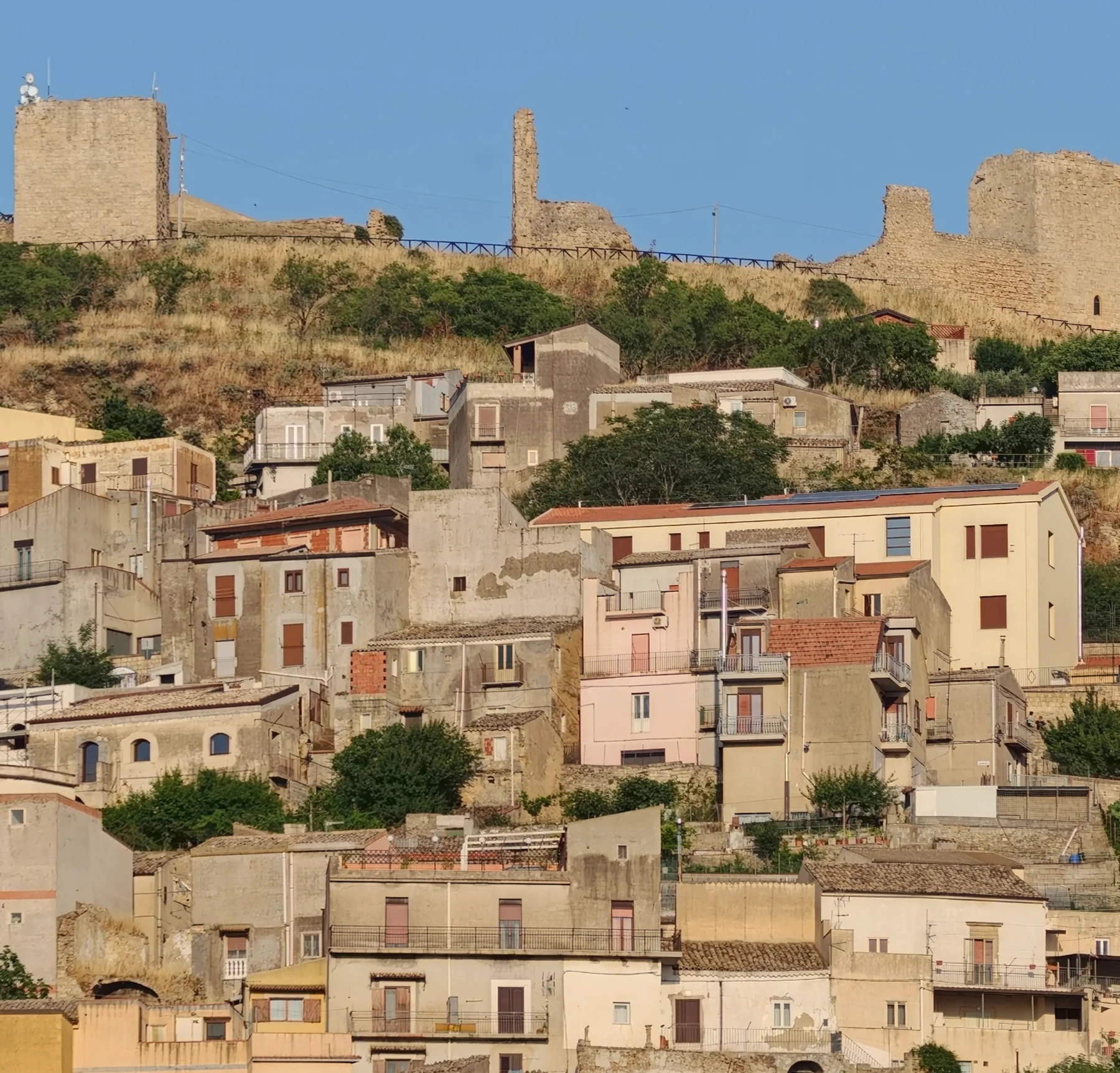
The castle
The castle ruins on Monte Teja offer a different perspective on Agira.
Find out more
Take your time on the streets leading uphill. Check access to the site locally before visiting.
Places / Agira
A few places to start. Leave room for what you find along the way.
Explore the places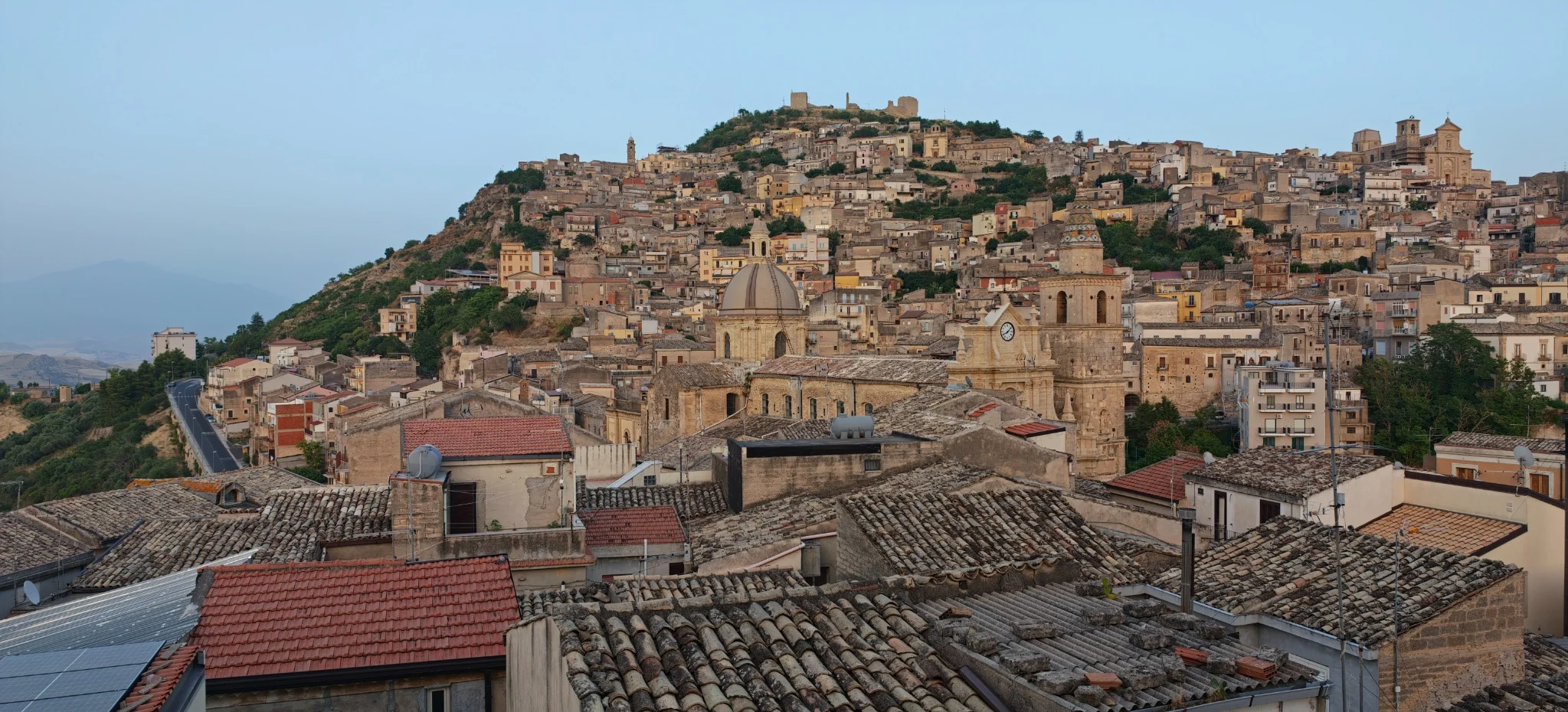
01 / SIX PERSPECTIVES
From Monte Teja to places shaped by religious history, each stop reveals a different side of Agira.
The castle ruins on Monte Teja offer a different perspective on Agira.
Take your time on the streets leading uphill. Check access to the site locally before visiting.
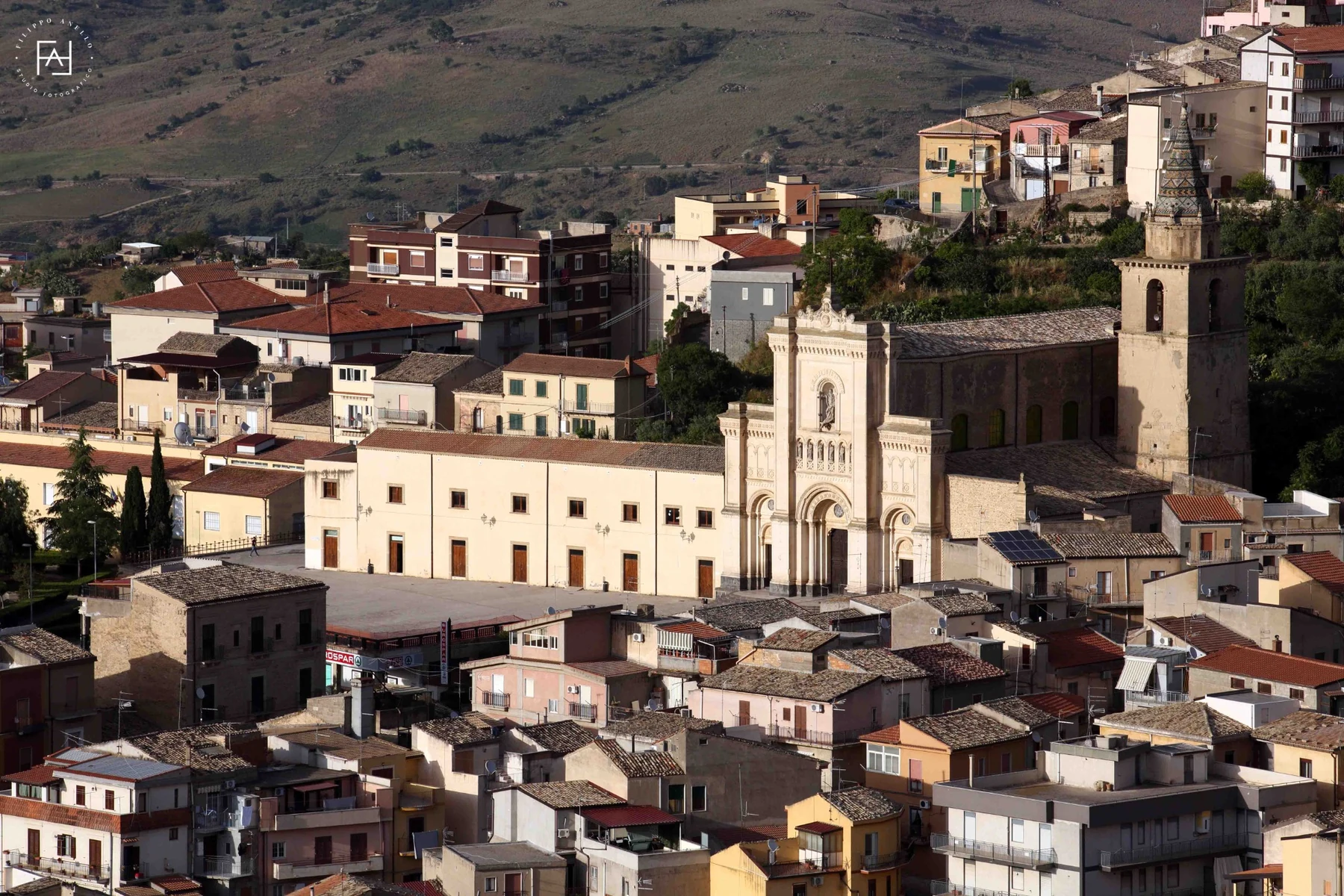
A place connected to Saint Philip and the town’s religious heritage.
Check visiting hours with the sanctuary before entering. Respect services and any guidance displayed on site.
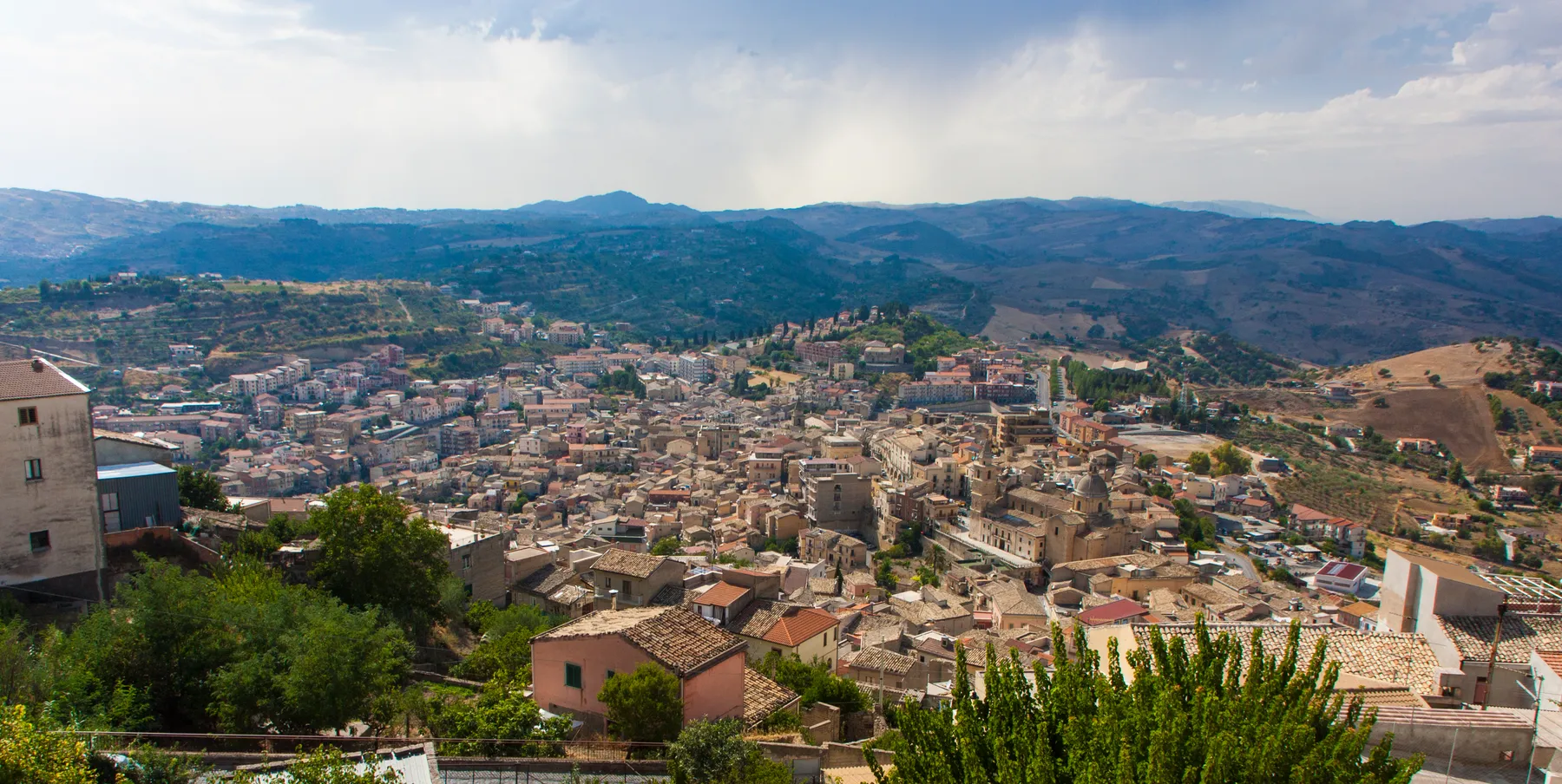
Sloping streets, close-knit houses and details worth slowing down for.
Wear comfortable shoes and choose a route that suits you: slopes and steps can make a real difference to your visit.
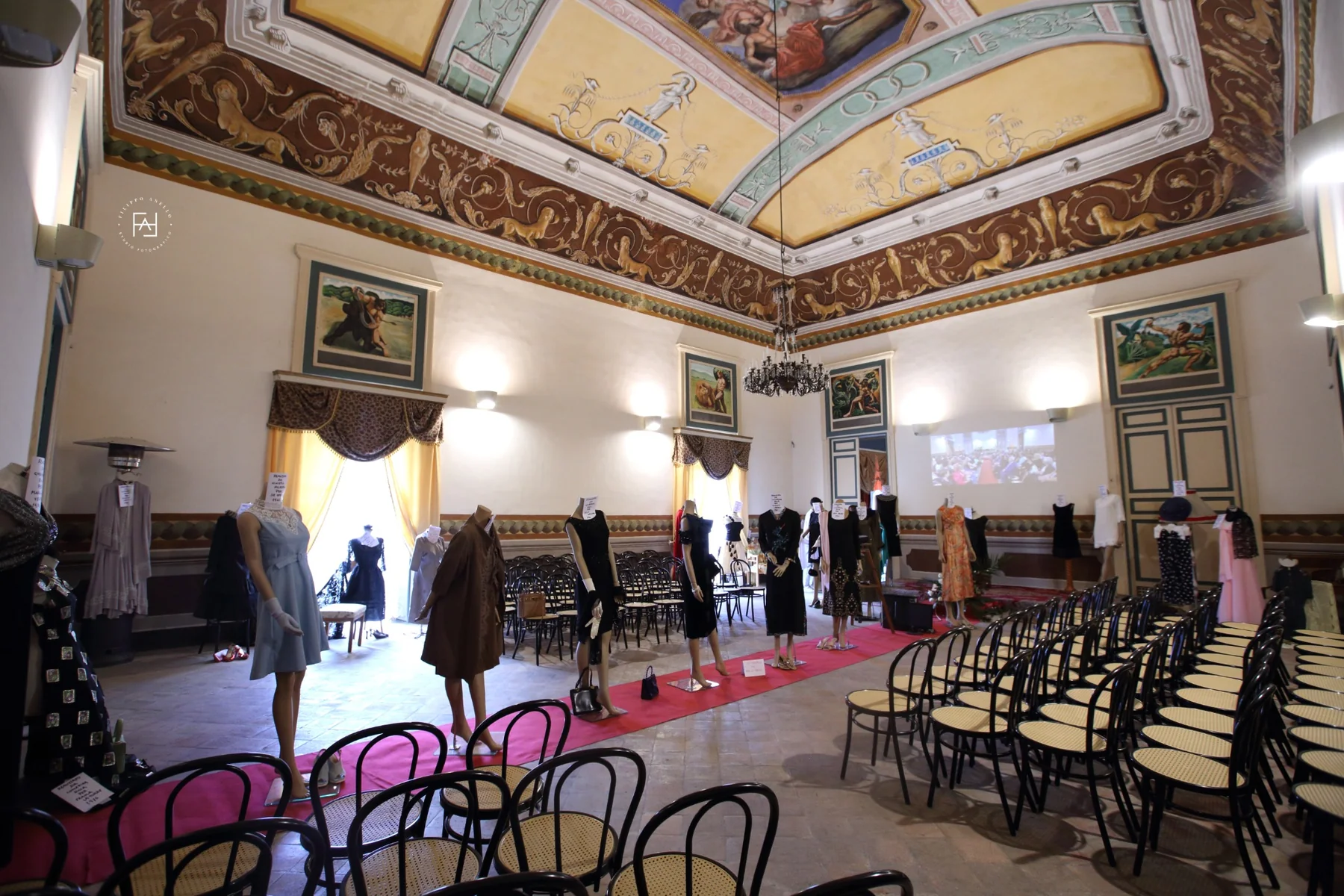
Beside Piazza Garibaldi, a residence with Baroque architecture, Neoclassical decoration and memories of distinguished guests.
Discover Garibaldi’s balcony and the reception room with the English audio guide and photographs of the 2024 exhibition “La moda agirina nel tempo”. Check opening arrangements for the interior.
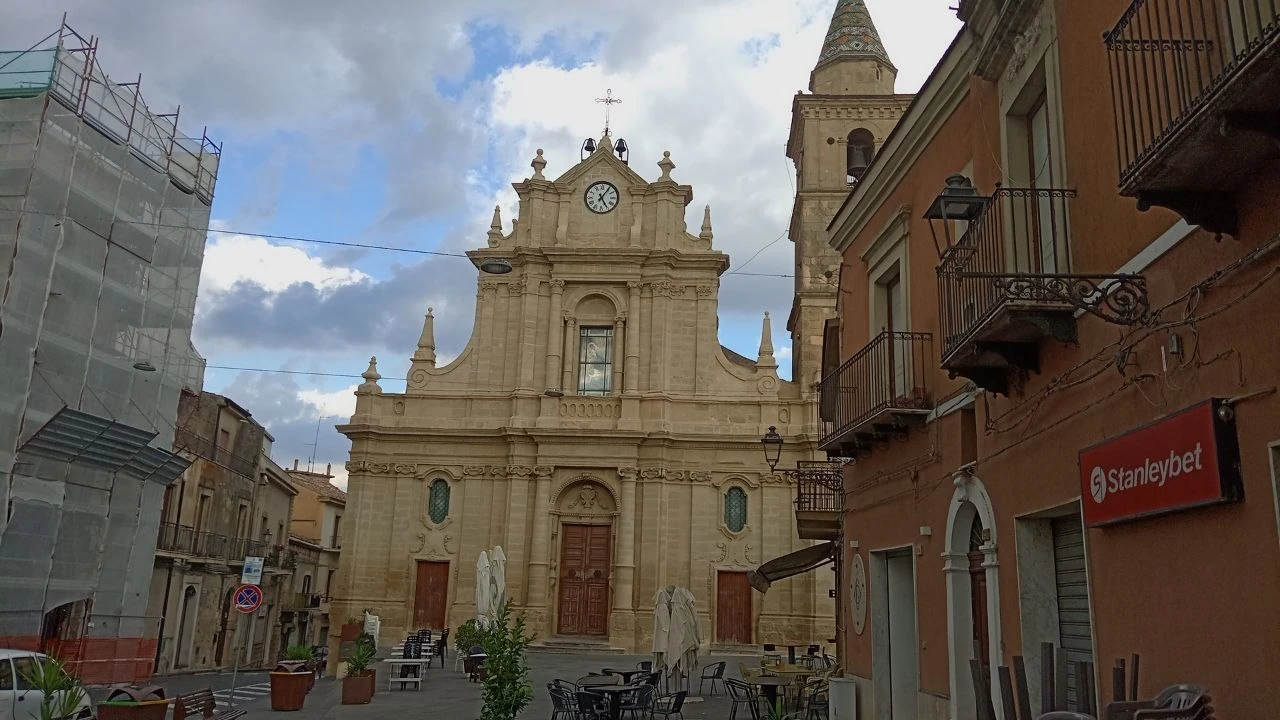
Explore the façade and interior with an English audio guide at your own pace.
Check opening hours with the church and use headphones, respecting services.
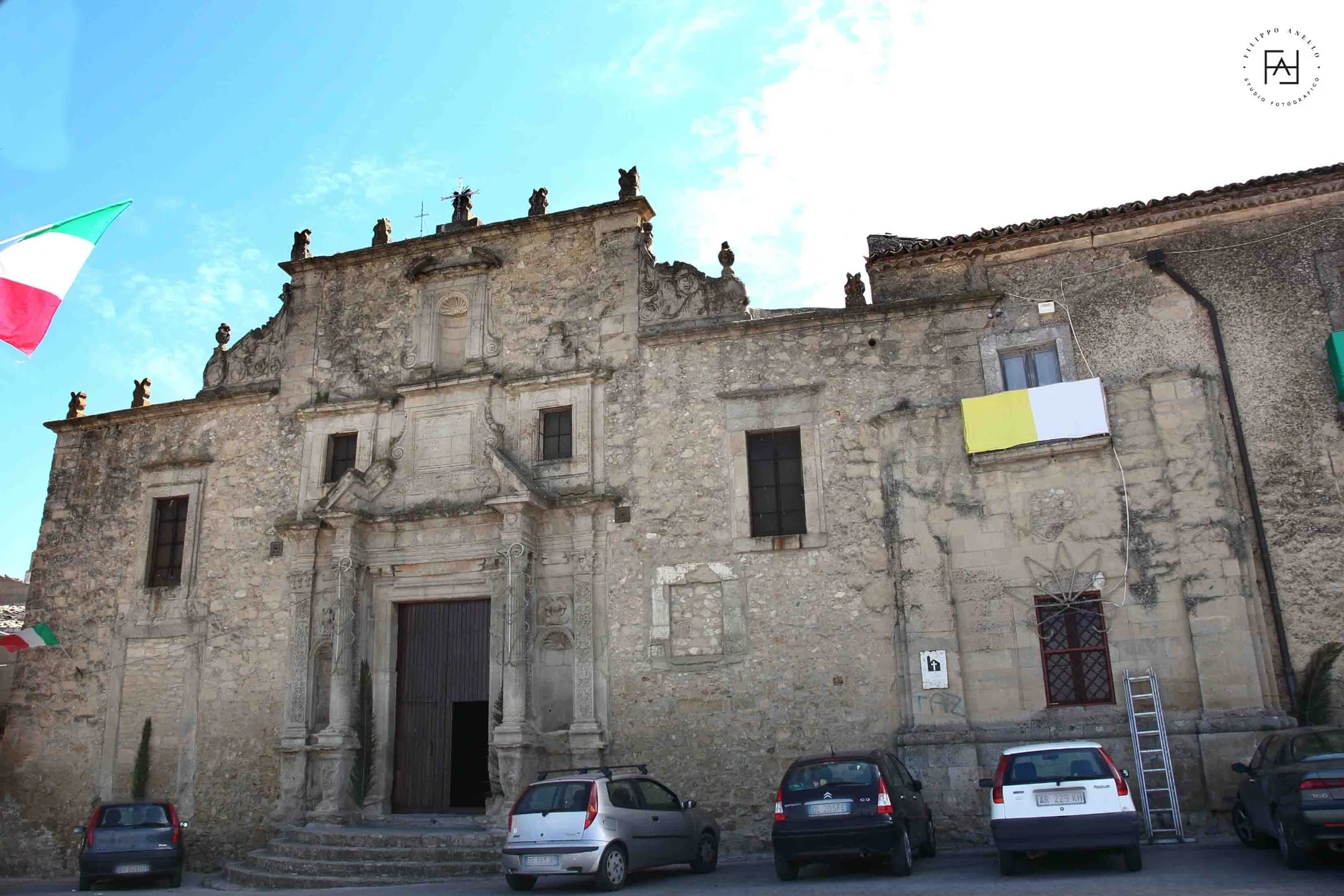
A Norman-era, three-nave church, home to the stone Aron connected with Agira’s Jewish heritage.
Pro Loco sources note the varied capitals, the town’s reliquary and the stone Aron dated to 1454. The facade and bell tower show traces of different building periods.
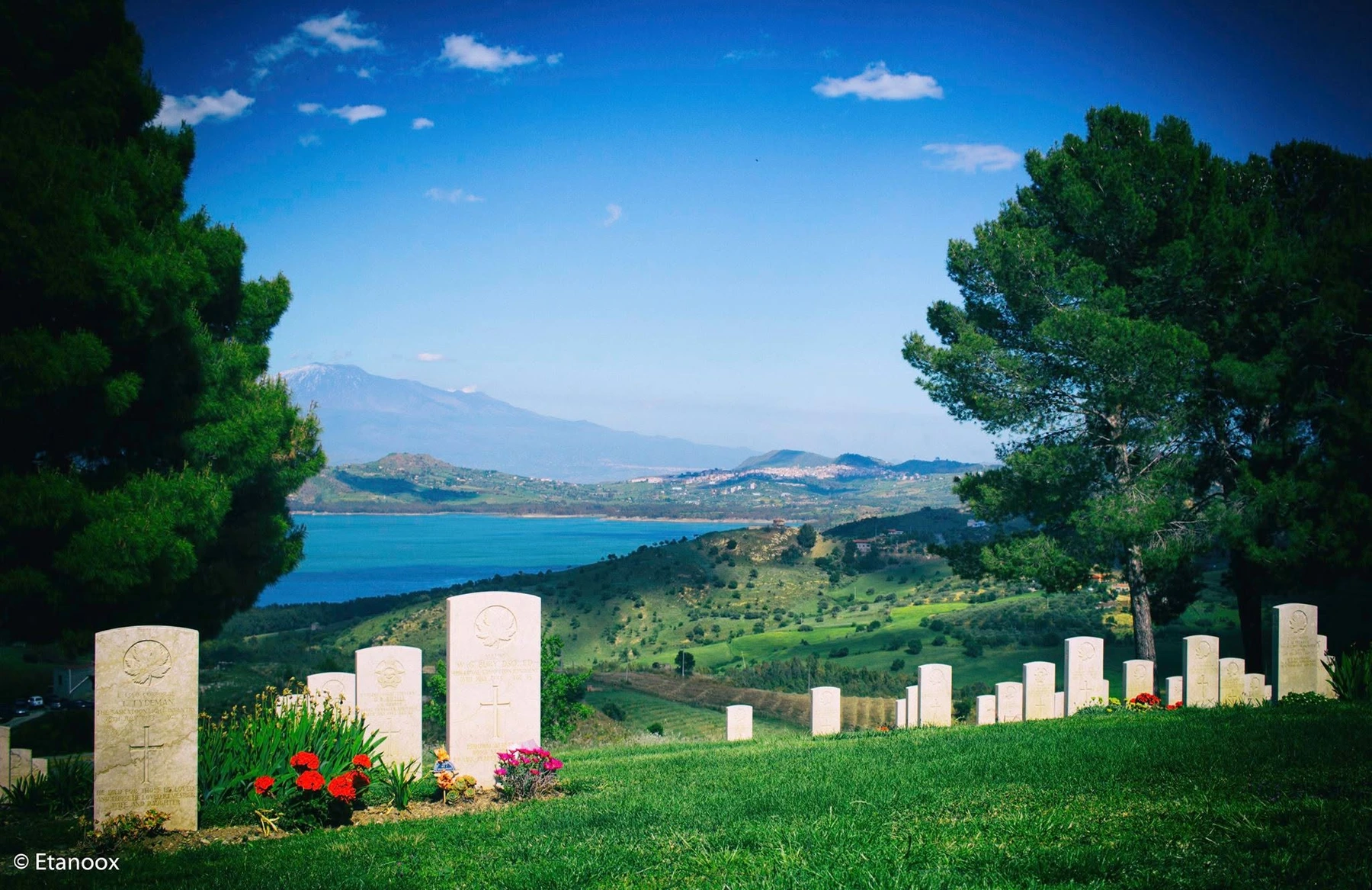
A place of remembrance for Canadian service members who fell during the Sicily campaign, overlooking the landscape of Agira.
Visit respectfully and discover its history with the audio guide in Italian or English. Use headphones while listening.
02 / MORE TO DISCOVER
The stone Aron bears witness to Agira’s historic Jewish community.
Explore the Aron and listen to the audio guideA nature reserve along the Brace stream in the Erei hills. Consult CUTGANA for visiting information.
Nature reserve informationThree naves, a great dome and artworks spanning sculpture, painting and carved wood.
Explore the church and listen to the audio guideOne of Agira’s oldest churches, with sacred art and traces of different periods.
Explore the collegiate churchLanes, steps and courtyards make this quarter a place to explore on foot and at your own pace.
Explore the quarterPeriod objects and a miniature of Agira tell stories of earlier generations. Check visiting information with the Pro Loco.
Read the museum guideFormerly Trigona di S. Elia, a residence dating to the 16th–18th centuries, recently restored by Orazio La Delfa. Visits by prior reservation.
Explore the palace and listen to the audio guideTradition remembers it as the saint’s first dwelling; Pro Loco describes it as a hypogeum in Agira’s late Roman cemetery.
Explore the cave