Two naves, centuries of history
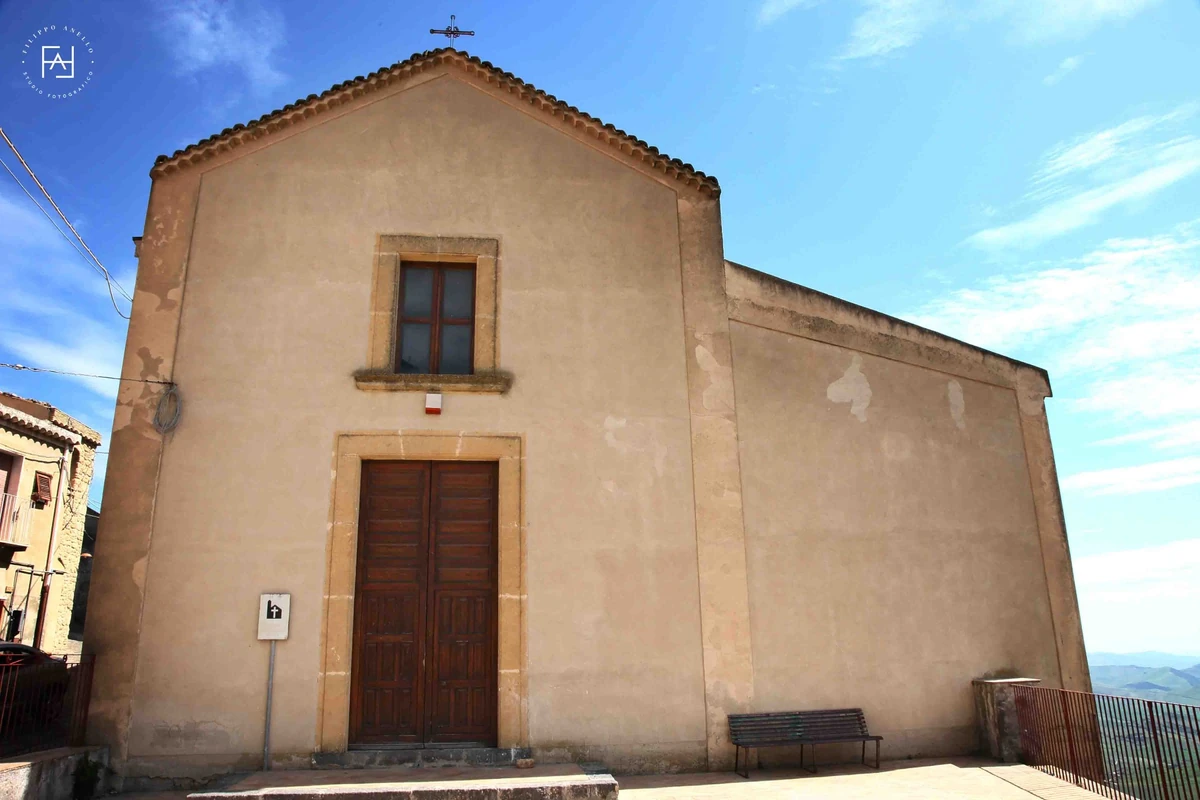
The Collegiate Church of Santa Maria Maggiore.
Santa Maria Maggiore Collegiate Church · Agira
View photo01 / THE PLACE
Two asymmetrical naves, Romanesque columns and artworks await in one of Agira’s oldest churches. Take time to look at the capitals, the painted cross and the details of the Madonna della Catena.
HISTORY AND LANDSCAPE
A church with medieval origins.
Santa Maria Maggiore Collegiate Church preserves an important part of Agira’s religious and artistic history. Its medieval origins, traditionally associated with the Norman period, are reflected in its interior: two naves of different sizes, separated by columns and arches.
Local historical tradition associates the building of Santa Maria Maggiore with the involvement of the Parisio family.
In 1689, the church was elevated to collegiate status. This title indicated the presence of a chapter of canons, priests responsible for its liturgical life. Its importance to the community was also expressed through a special privilege: determining the starting point and arrangements for extraordinary processions.
Inside: two asymmetrical naves.
The most distinctive architectural feature is the division into two asymmetrical naves. Columns with Romanesque capitals and pointed arches define the space, offering an introduction to the building’s history.
Before focusing on individual artworks, look at the interior as a whole: its proportions, supports and passages between the naves are an integral part of the visit.
The Madonna della Catena.
Among the main artworks is the statue of the Madonna della Catena, Our Lady of the Chain, made of polychrome alabaster.
Local historical accounts note the Child’s playful pose and distinguish the original sculpture from the embroidered silk mantle and crowns, which were added later.
Two carved, column-bearing lions stand on either side of the altar. The arch framing it is decorated with leaves and bunches of grapes, evoking Eucharistic symbolism.
A cross painted on both sides.
Another particularly interesting work is the double-sided painted crucifix, attributed to the school of the artist known as the Master of the Cross of Piazza Armerina.
The cross bears images on both sides: the Crucifixion and the Resurrection. Together, the two scenes invite visitors to consider Christ’s sacrifice and victory over death.
Other artworks to discover.
The church’s collection also includes a painting of Saint Nicholas, a statue of Saint Bartholomew and a marble statue of the Virgin of the Assumption.
Through their different materials and subjects, these works enrich the visit and tell the story of the community’s devotion.
TAKE A CLOSER LOOK
Details make the place.
The two naves
Notice their different proportions, the Romanesque capitals and the pointed arches.
The Madonna della Catena
Look closely at the polychrome alabaster, the Child and the details framing the altar.
The double-sided crucifix
The Crucifixion and Resurrection depict two moments on opposite sides of the same cross.
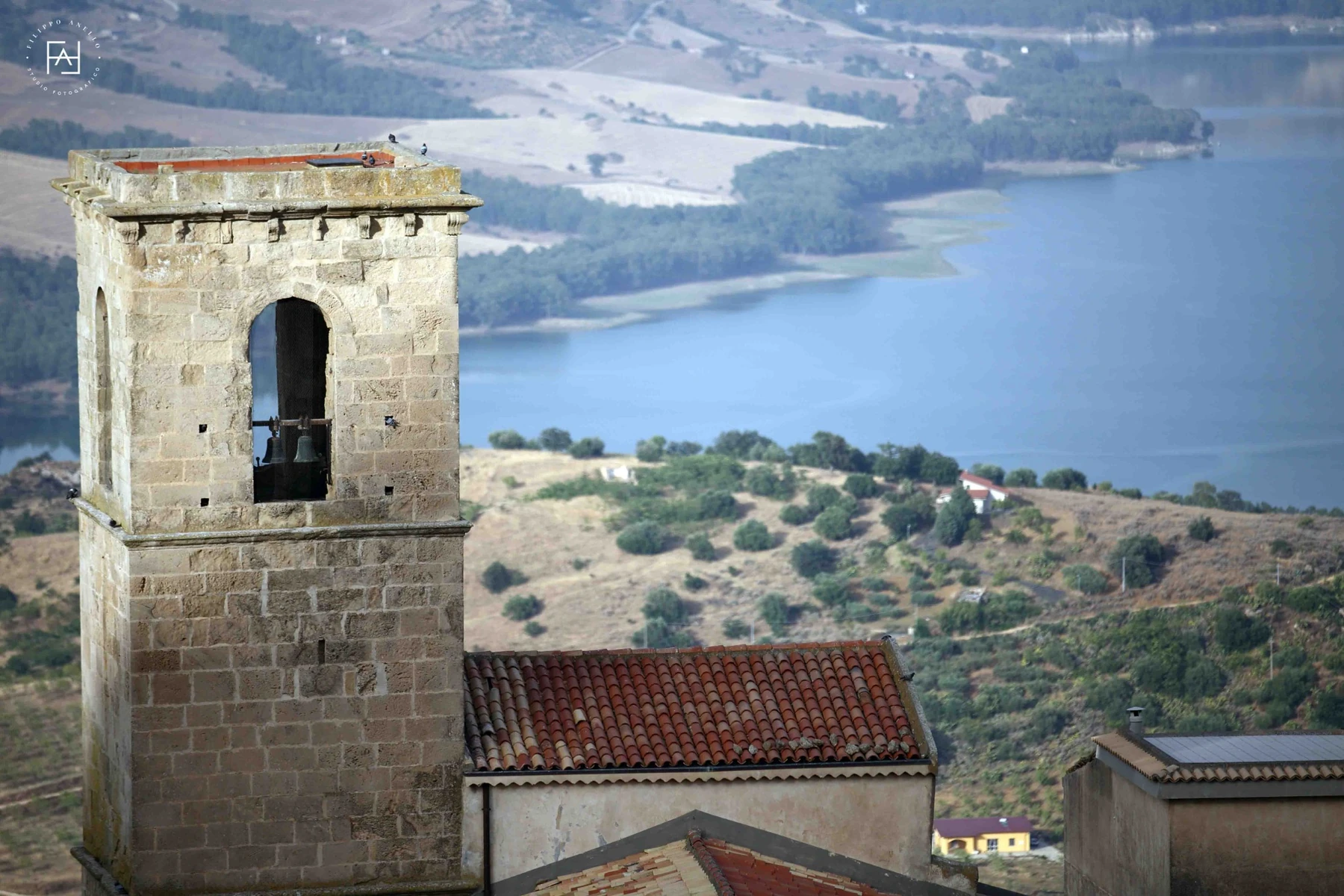
THE PLACE, IN PICTURES
Change your perspective.
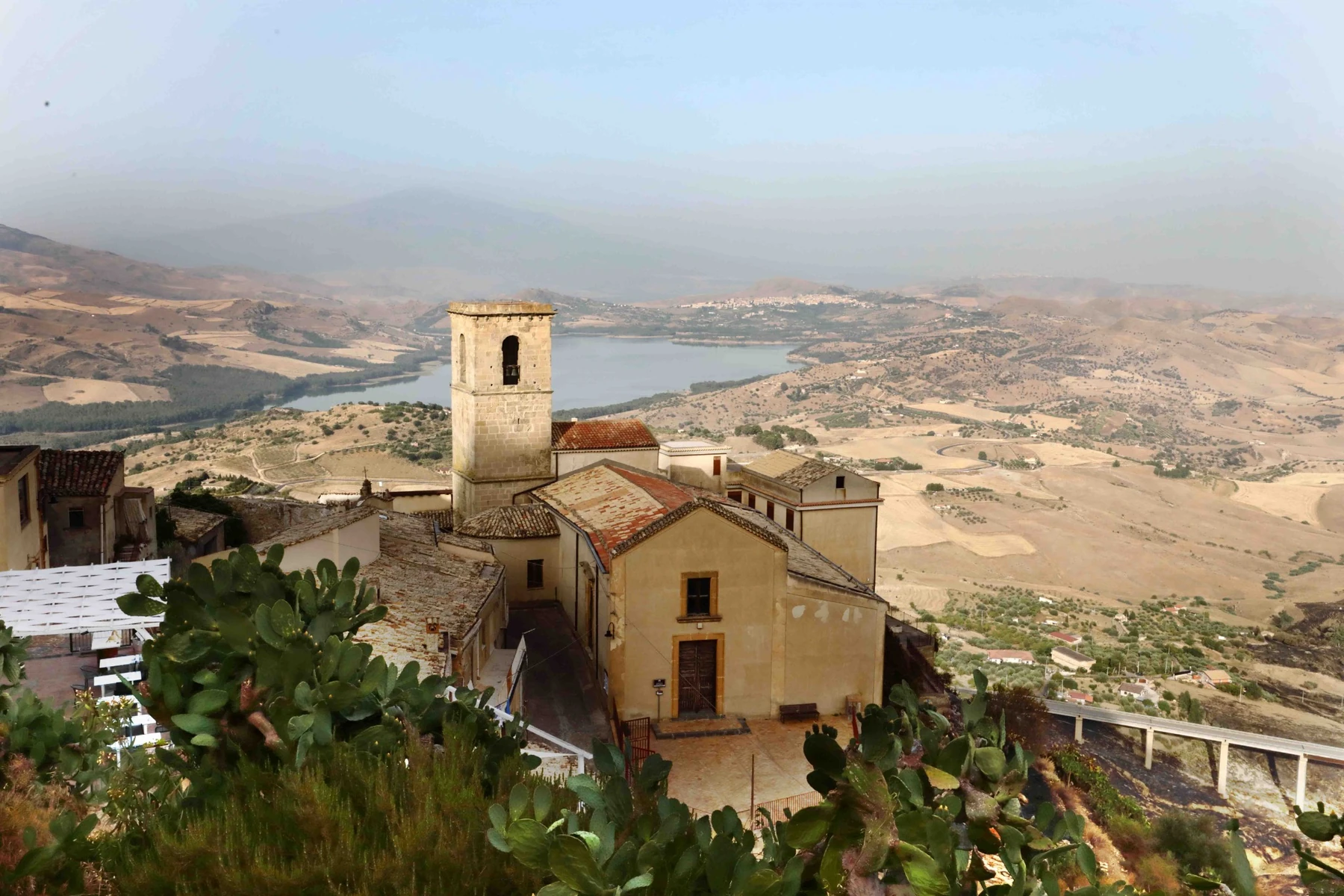
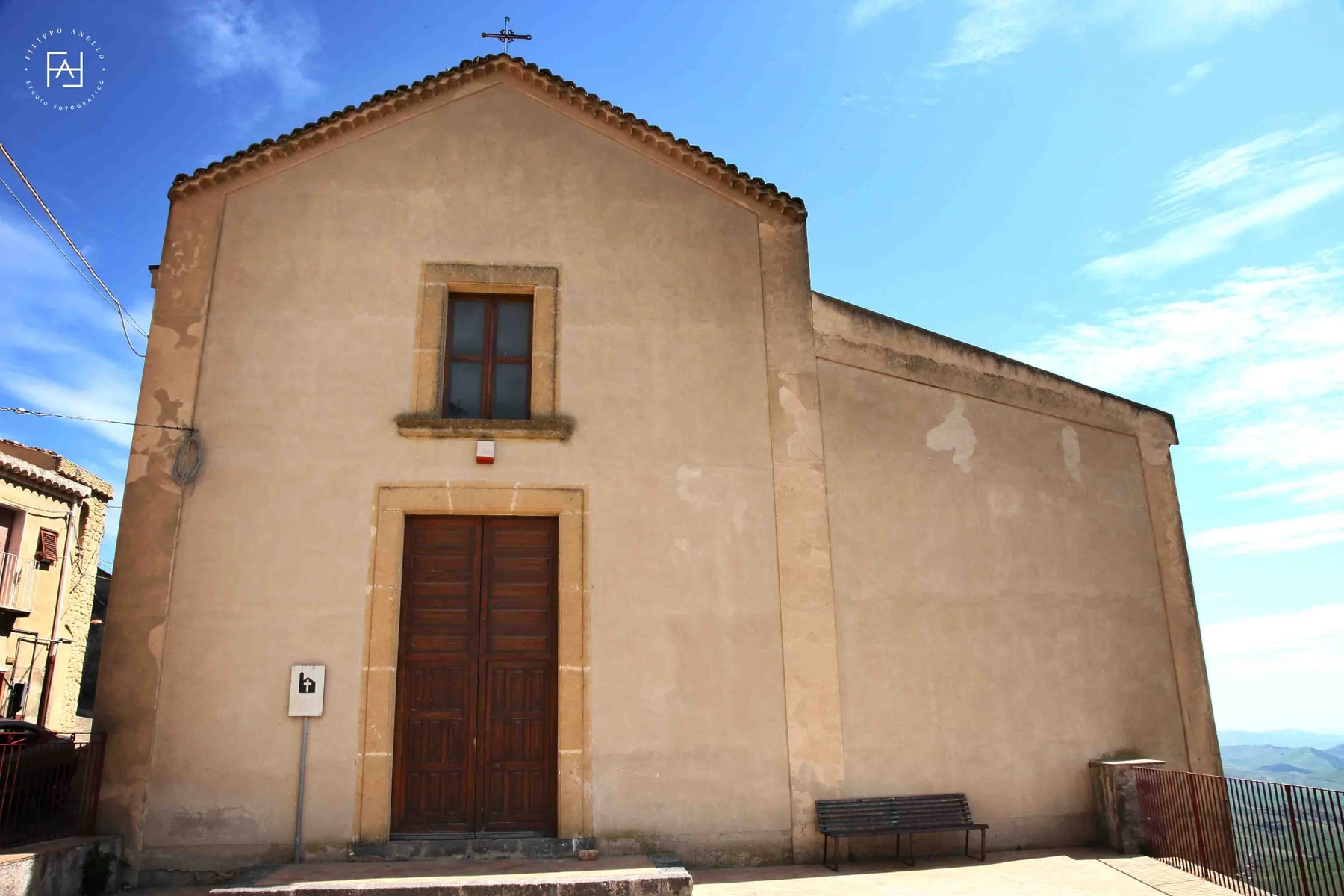
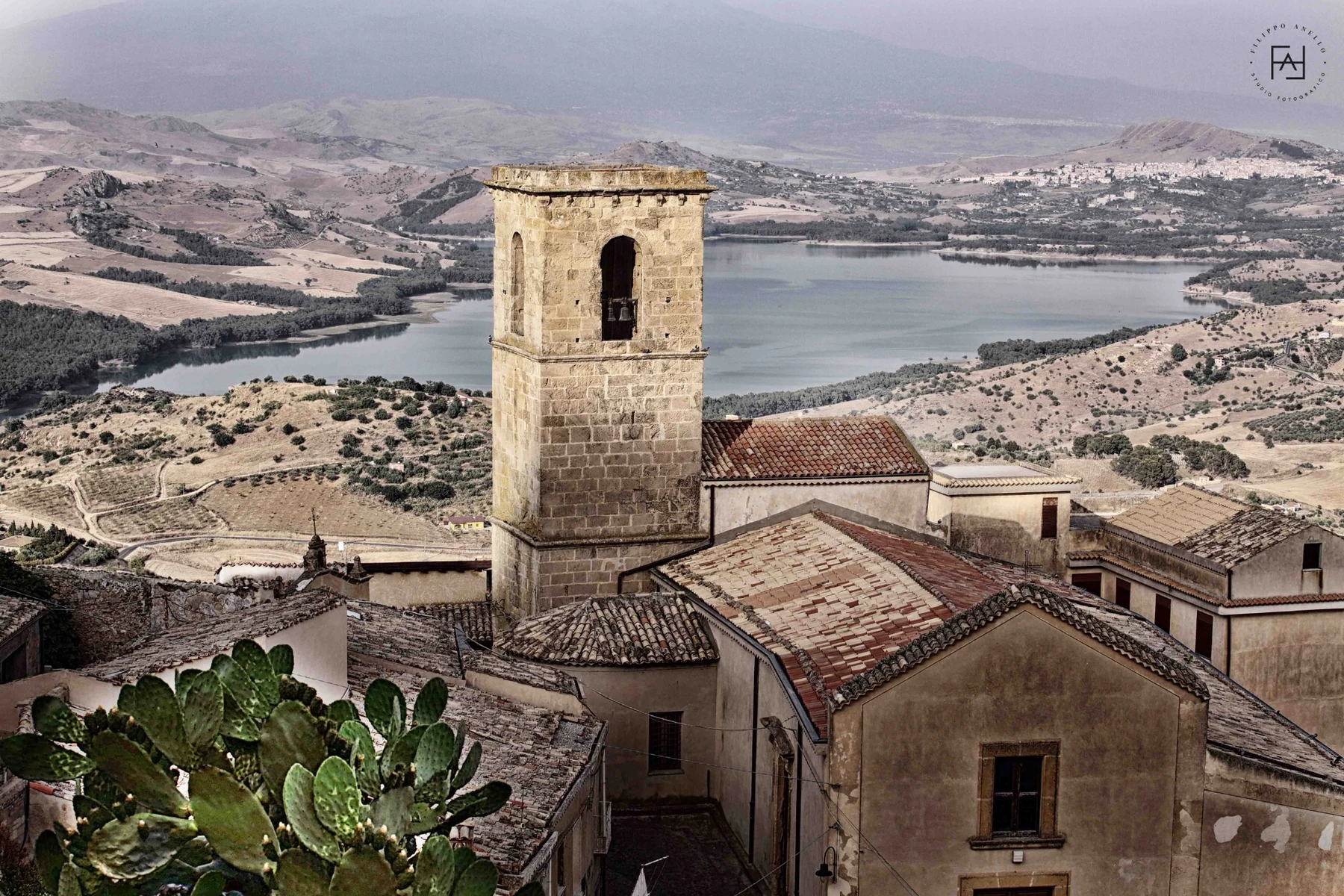
A closer look at the details and the surrounding landscape.
KEEP EXPLORING
One stop. Many directions.
Keep exploring Agira, with time for breaks.