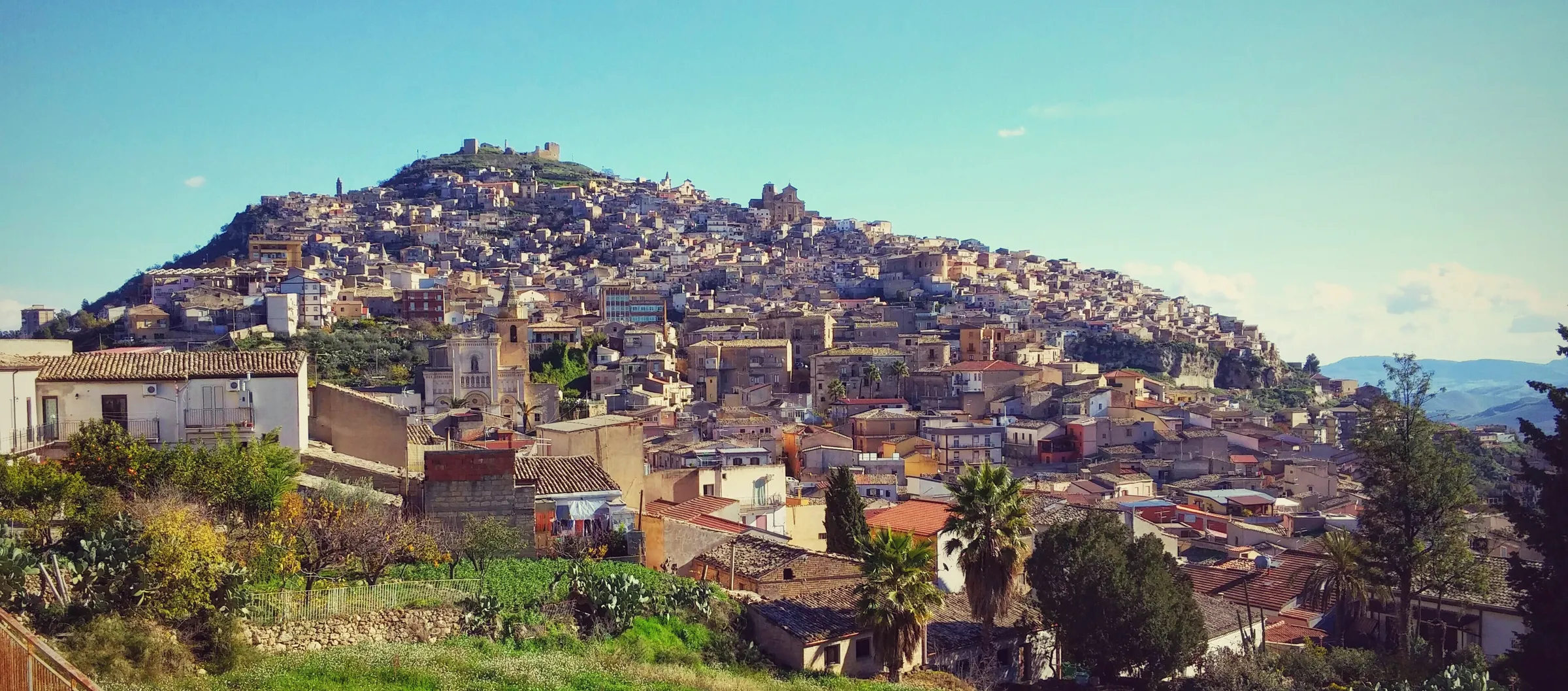
To understand Agira, follow a few traces: the ancient city of Agyrion, the perspective of Diodorus Siculus, the long history of San Filippo Abbey and the memories held in local churches. Sources do not always agree; where history meets tradition, we make that distinction clear.
No single place tells the whole story. We bring archaeological finds, written sources and traditions together: a guide to reading the past, not a definitive chronology.
01
THE ANCIENT CITY
Agyrion, before Agira.
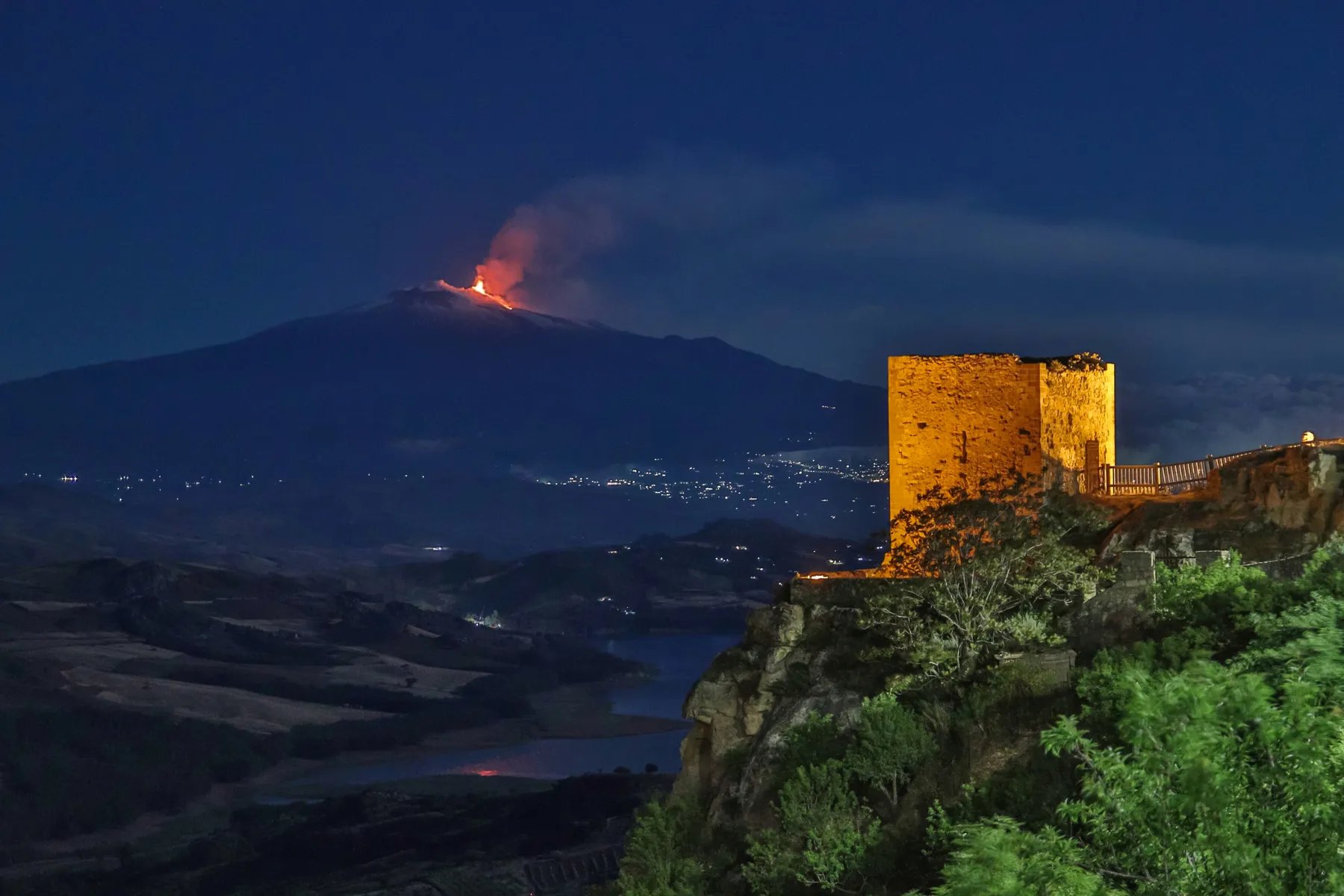
Historical sources connect present-day Agira with ancient Agyrion. In the castle area, excavations reported by the Pro Loco identified settlement remains and a Greek mint dated to the fifth and fourth centuries BCE. Historical accounts place the city within the story of Greek Sicily and the age of Timoleon.
Diodorus Siculus, a first-century BCE historian remembered as a native of Agira, wrote about Sicily and the ancient world in his Bibliotheca historica. In his work, Agyrion appears within a wider story of cities, cults and Mediterranean connections.
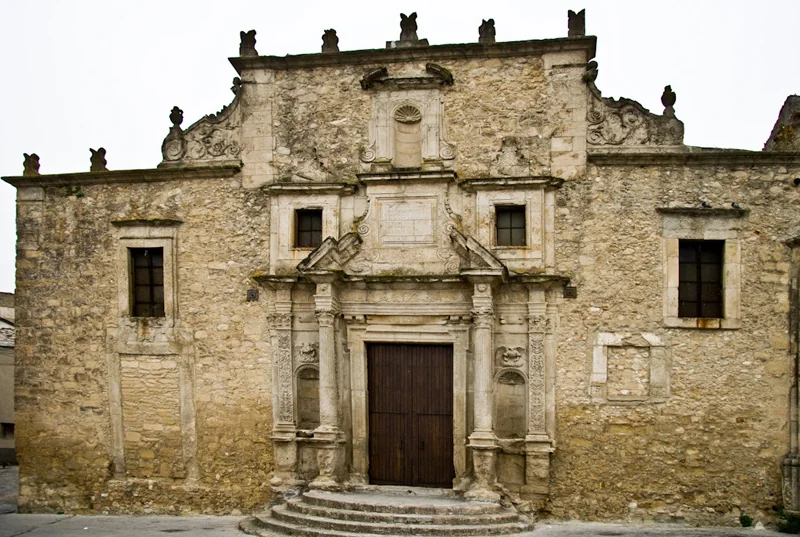
San Filippo Abbey, also known as Santa Maria Latina, stands on the remains of an ancient Greek monastery following the Basilian rule. Historians Rita Loredana Foti and Salvatore Longo Minnolo place its origins between the seventh and eighth centuries and describe its later Norman and Benedictine chapter.
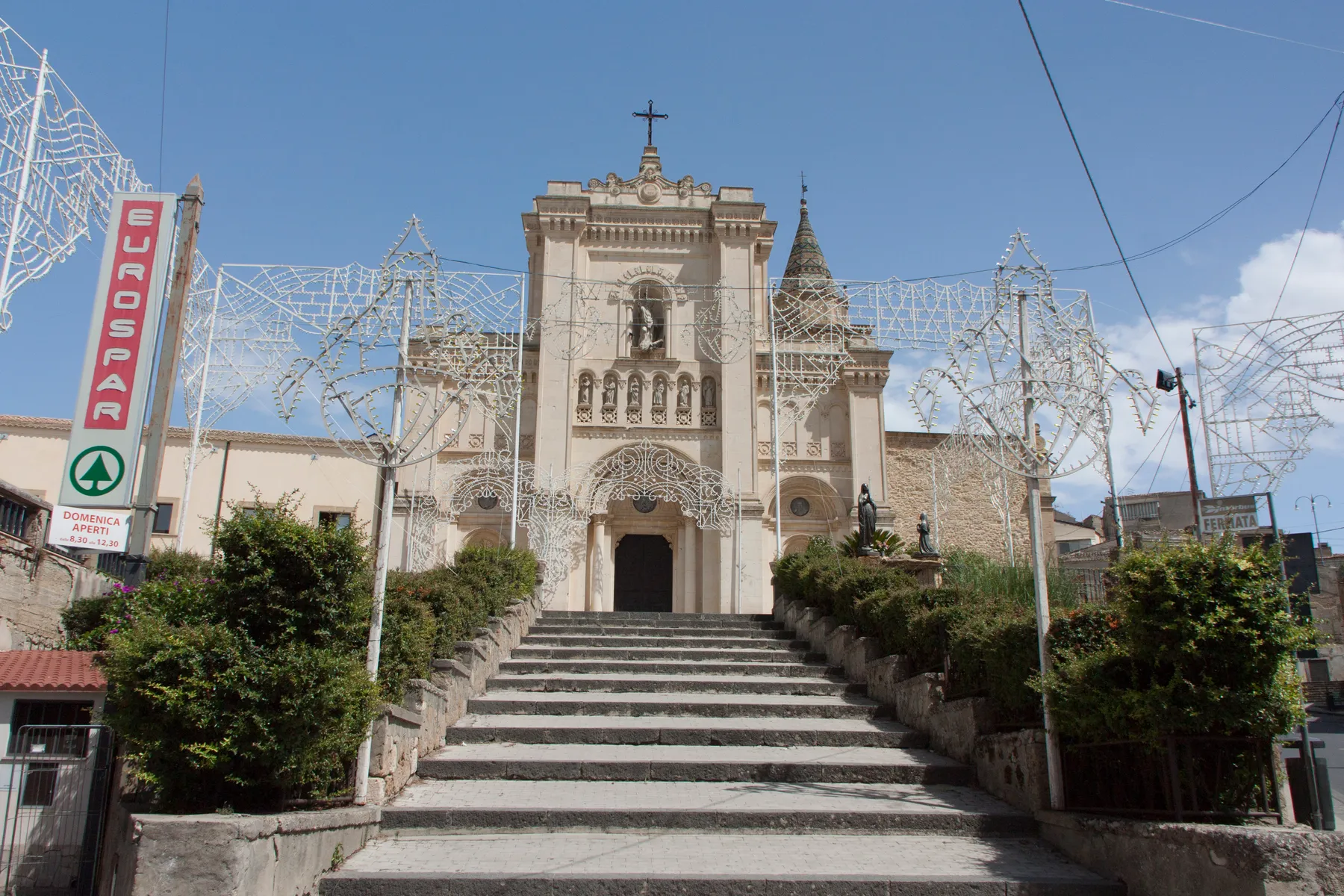
The Collegiate Church of SS. Salvatore holds the stone Aron, connected with Agira’s Jewish community. It offers a way to read the town through the communities who lived here and the historical interpretations that continue to be discussed.