Art, quiet and devotion
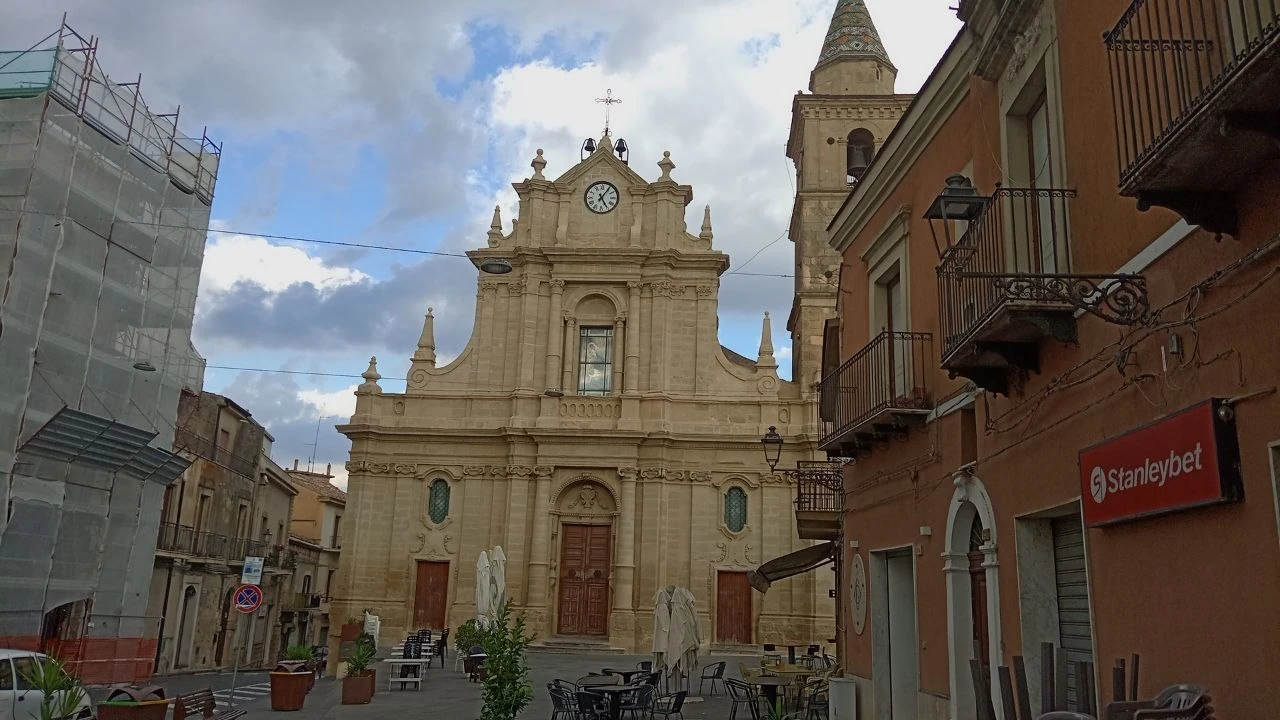
Church of Saint Anthony of Padua.
Saint Anthony of Padua · Agira, EN · Sicily
View photo01 / THE PLACE
An invitation to pause and look up. In the Church of Saint Anthony of Padua, explore the interior with a story you can listen to at your own pace.
LISTEN TO THIS PLACE
The church, narrated.
An introduction, five chapters and closing thanks. The audio guide on this page is in English.
Audio in English · 7 chaptersIntroduction
- Listen 0:20
Introduction
Read the transcript
Welcome to the Church of Saint Anthony of Padua.
Built in 1567 on the site of a small chapel, this church has witnessed centuries of history. With its striking façade, elegant dome, and precious artworks, it is one of the treasures of Agira. Let’s begin our guided tour.
- Listen 0:29
Chapter 1
Read the transcript
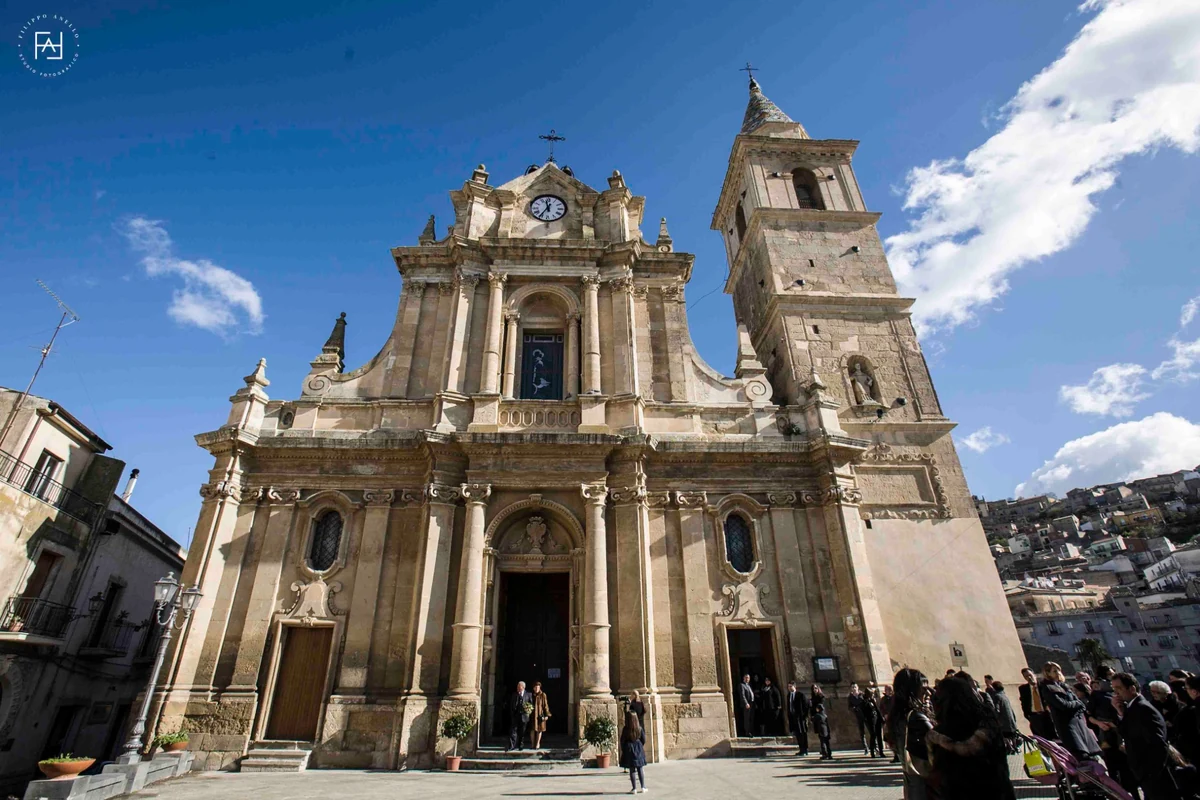
The church was erected in 1567 on land donated by the Zuccaro barons, but its story began earlier, in 1505, when a chapel dedicated to the Virgin Mary already stood here.
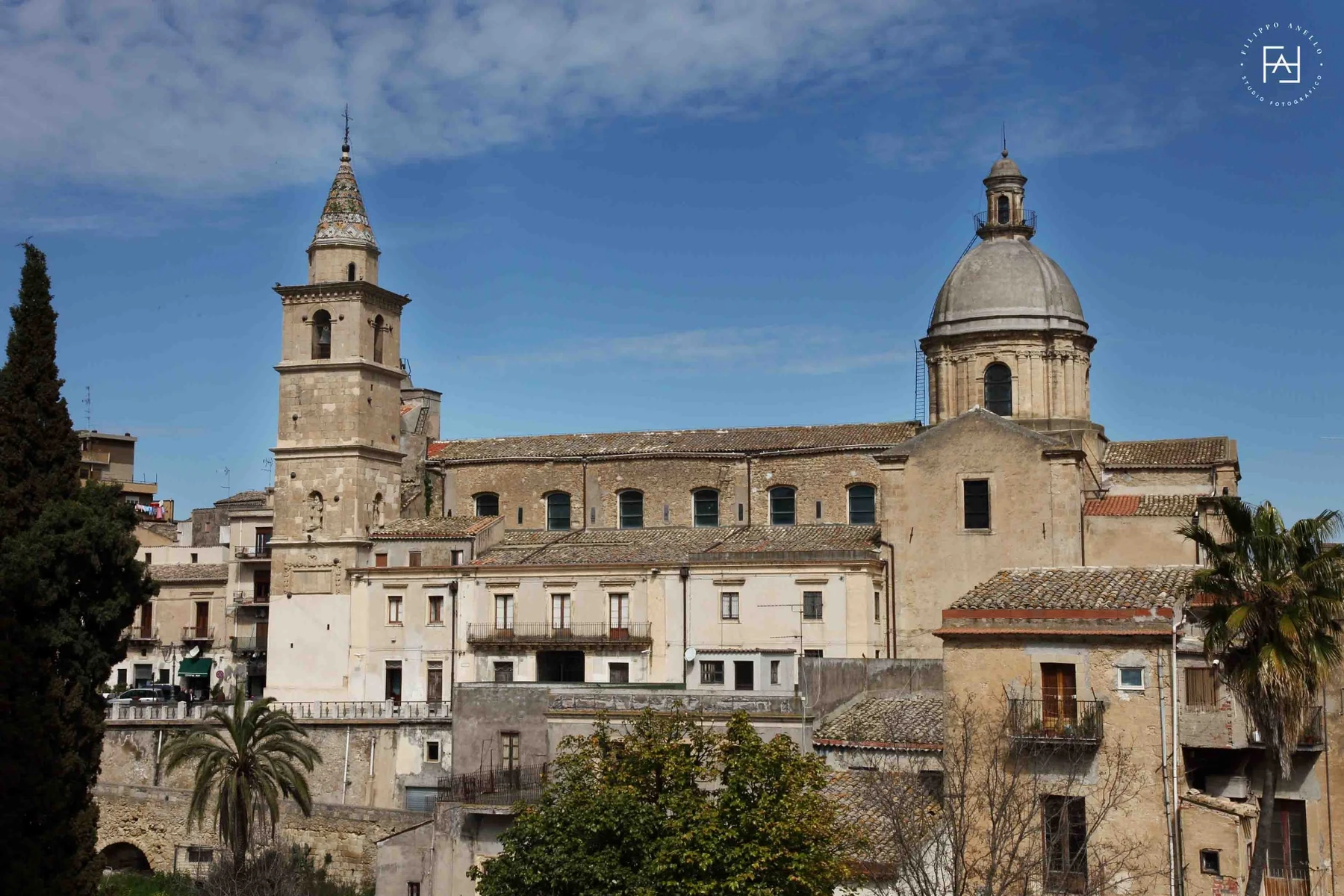
The building follows a Latin cross plan with three naves, and in 1680 the bell tower was completed, giving the church its distinctive profile on the skyline of Agira.
- Listen 0:31
Chapter 2
Read the transcript
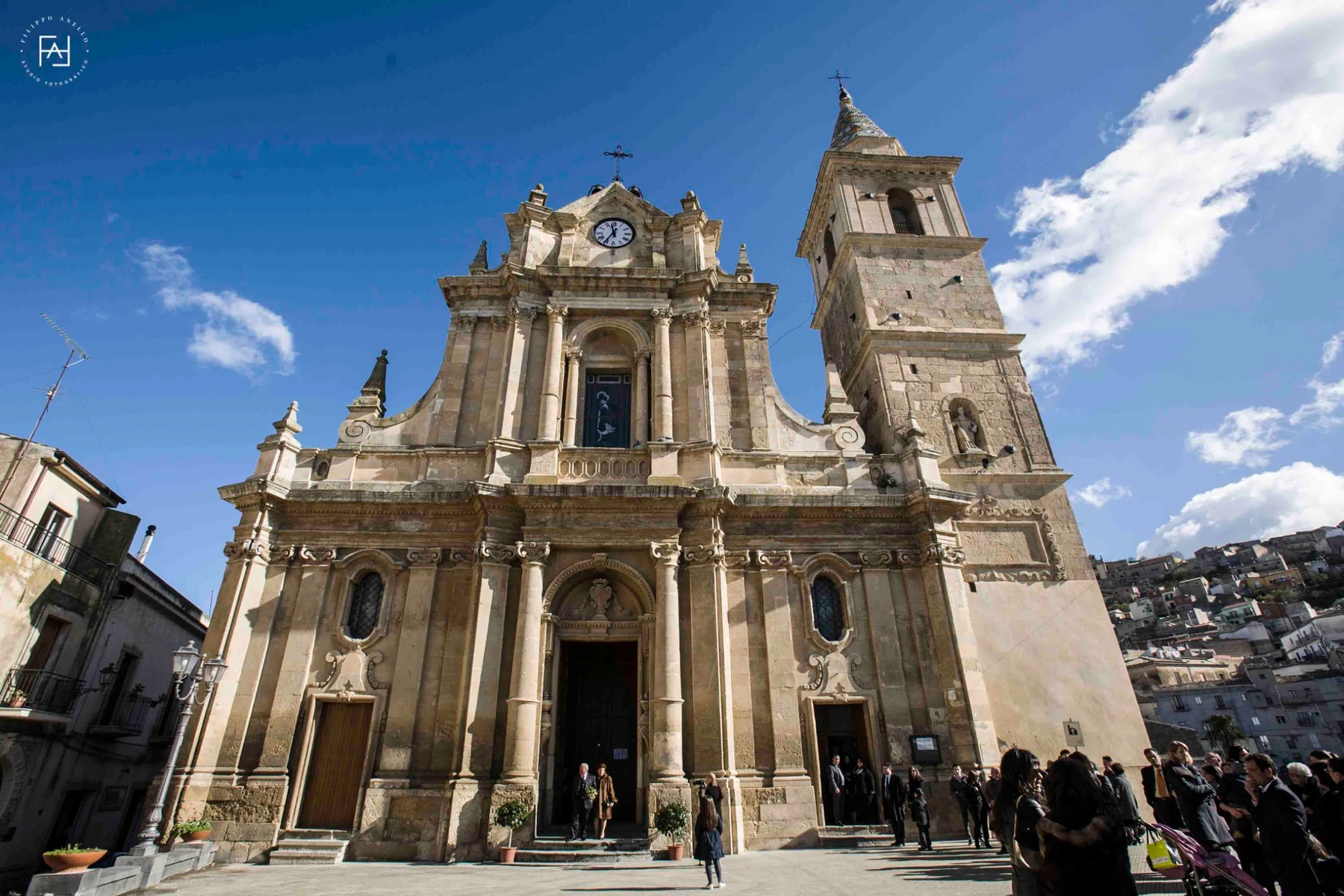
The façade, designed in 1754 by Antonio Caruso, is one of the church’s most remarkable features. Caruso was a student of Giovanni Battista Vaccarini, master of Sicilian Baroque architecture. The influence is so evident that, when compared with the cathedral of Catania, the resemblance is striking.
In 1854, the dome was added, bringing harmony and grandeur to the whole structure, a blend of late Baroque and neoclassical style.
- Listen 0:31
Chapter 3
Read the transcript
Like many historic monuments, the church has endured tragic events. In 1869, a devastating fire destroyed the choir and many frescoes of the vault.
Later, in 1969, severe structural damage forced its closure for almost thirty years. Only in 1998, after long restoration works, did the building reopen to the public. These trials reveal the resilience of both the monument and the local community.
- Listen 0:38
Chapter 4
Read the transcript
Inside, the church preserves a fine collection of artworks. Among them: a 16th-century marble relief of the Epiphany, and a wooden statue of Pope Saint Sylvester from 1604, with carved panels narrating the conversion of Emperor Constantine.
You will also find the Madonna of the Poor from 1608, the elegant Altar of the Blessed Sacrament, and the recently restored Chapter Hall.
One of the greatest masterpieces is the 15th-century wooden crucifix, attributed to the Master of the Cross of Piazza Armerina, originally from the church of Saint Anthony Abbot.
- Listen 0:29
Chapter 5
Read the transcript
For centuries, the Church of Saint Anthony of Padua competed with Santa Margherita for the right to be the mother church of Agira. The contest was long and bitter, but in the end neither prevailed.
This is why, unlike many Sicilian towns, Agira has no single main church. Instead, both remain equally central to its history, faith, and identity.
- Listen 0:23
Closing and thanks
Read the transcript
Thank you for joining us on this tour of the Church of Saint Anthony of Padua. We hope you enjoyed discovering its history, architecture, and artistic treasures.
Don’t stop here—Agira is full of fascinating churches, monuments, and stories waiting to be explored. Be sure to listen to our other audioguides and continue your journey through this beautiful town.
HISTORY AND LANDSCAPE
Pause over the details.
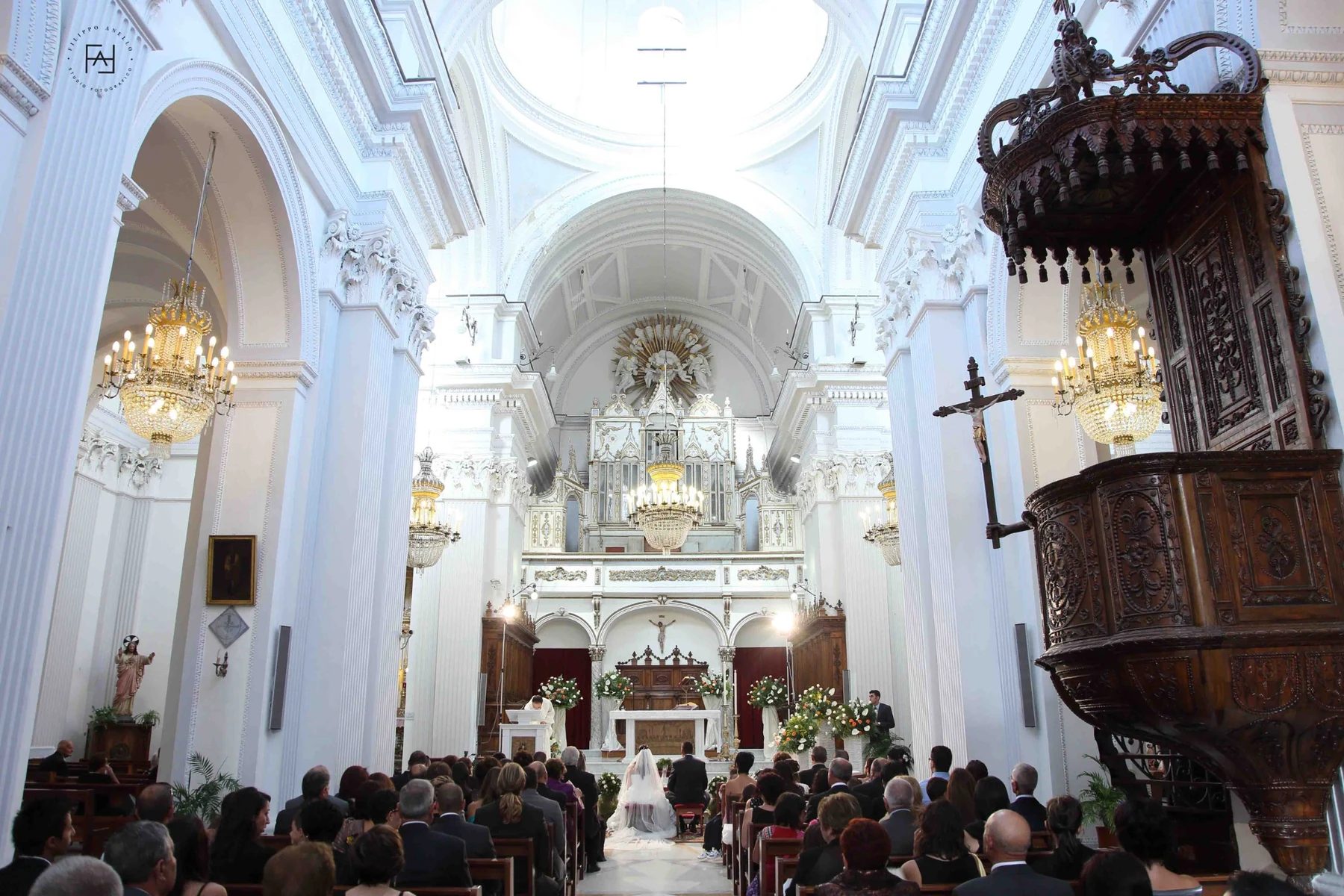
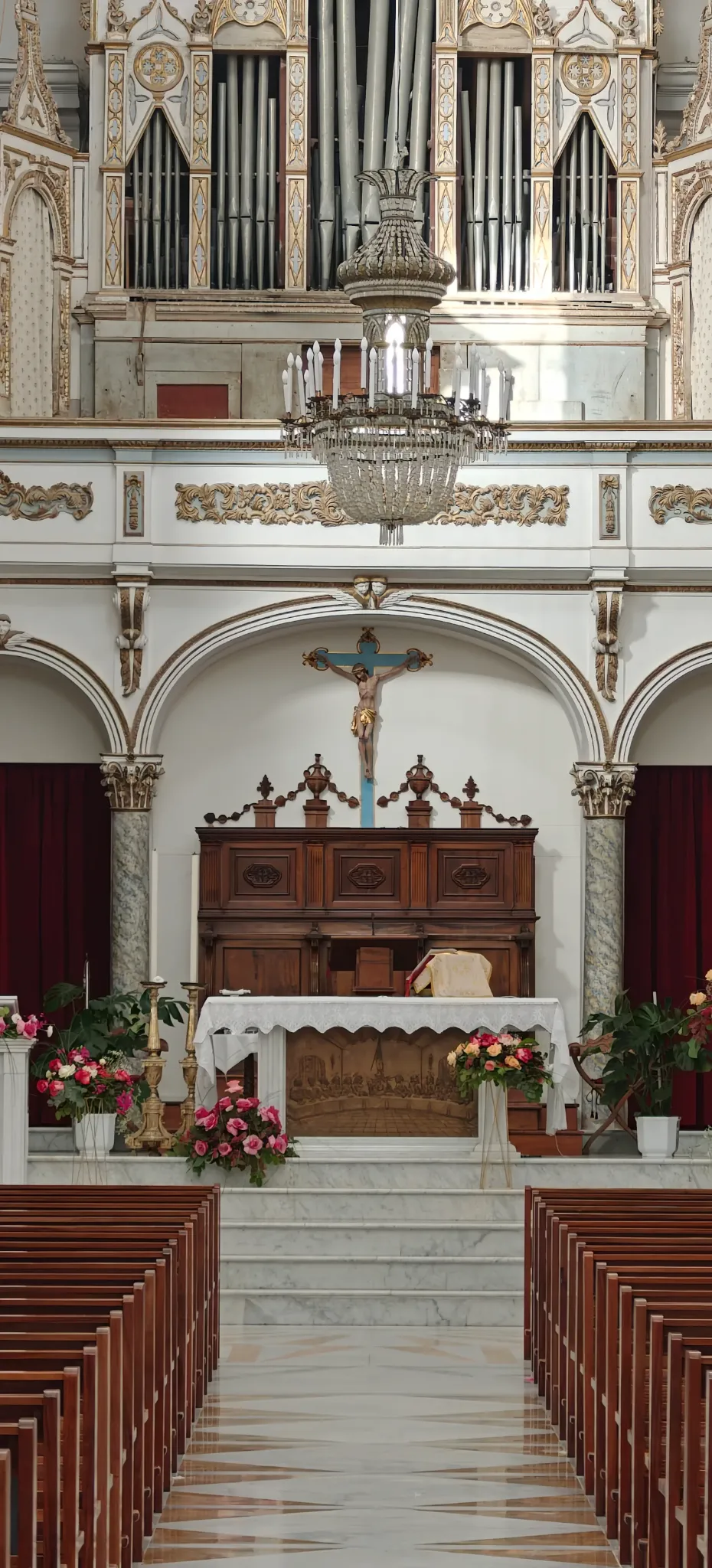
The interior photograph shows the altar, crucifix and organ pipes among decorations and light. It offers a starting point for exploring the space, moving from the overall view to individual details.
The audio guide includes an introduction, five chapters and a closing track. Listen in sequence or choose individual recordings, allowing time for pauses.
A place to explore respectfully.
When the church is open, take time to explore without disturbing prayer or services. Use headphones and follow the guidance displayed on site.
TAKE A CLOSER LOOK
Details make the place.
The altar and crucifix
Notice how they define the central space and draw the eye along the nave.
The organ
Look up towards the pipes and the decorated structure framing them, visible in the photograph.
Decoration and light
Take time to notice the ornamental details and contrasts of light inside.
THE PLACE, IN PICTURES
Change your perspective.
A closer look at the details and the surrounding landscape.
KEEP EXPLORING
One stop. Many directions.
Keep exploring Agira, with time for breaks.