01 / IN TOWN
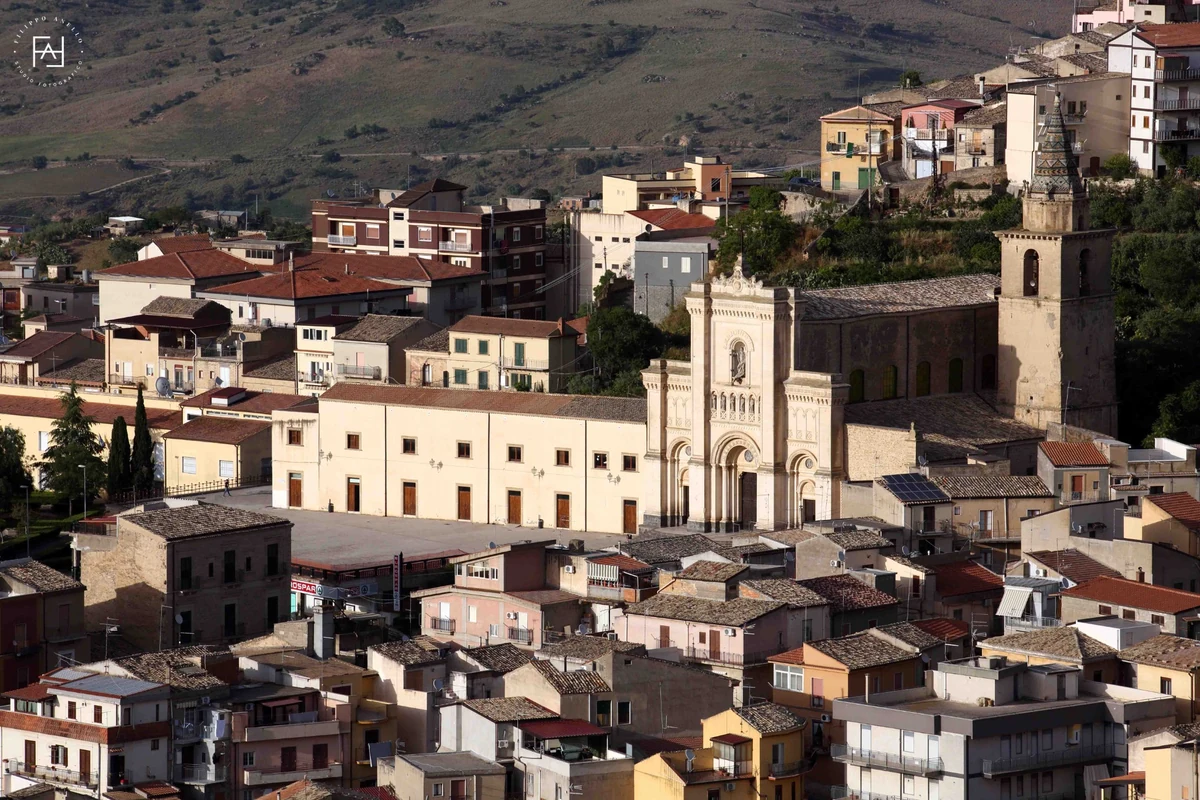
San Filippo Abbey
At the heart of local devotion. Visit the church and, subject to access, the Cateva.
Six places shaped by devotion and local storytelling. Five walking stops, from the town to the summit of Monte Teja, with a separate stop at Maimone Fountain, best reached by car.
FIND YOUR WAY BETWEEN STOPS
Five walking stops, including the climb to the castle, and a separate fountain visit by car. Choose a place for information and directions.
Six places to discover.
The map loads from OpenStreetMap only when activated. GPS location is optional.
01 / IN TOWN
At the heart of local devotion. Visit the church and, subject to access, the Cateva.
02 / IN TOWN
Traditionally the saint’s dwelling. Check opening arrangements before visiting.
03 / IN TOWN
A petra i San Fulippu, at Via Roma 55. The chapel connects local storytelling and the sulphur miners’ devotion.
04 / IN TOWN
San Pietro in Vincoli, the castle chapel at the summit of Monte Teja. Expect an uphill walk with slopes and steps.
05 / IN TOWN
The devotional chapel of San Fulippuzzu tri puzedda (tri pulzelle), in Piazza Europa. It is distinct from the chapel on Via Roma.
06 / DRIVING RECOMMENDED
The Fountain of the Devils, in contrada Urselluzzo. A separate stop, best reached by car.
Directions open in Google Maps. Hello Agira does not save your location: you can turn it off at any time.
THE PLAN
In Agira, memories of Saint Philip run through the streets and everyday life. This itinerary brings together religious heritage and oral tradition: accounts of miracles and struggles with the devil belong to the community’s devotion and folklore. Choose the order of your stops according to your starting point and opening hours.
At the heart of Agira’s devotion
The abbey is central to understanding Agira’s connection with Saint Philip. Its artworks and religious heritage tell the long story of his worship.
Look at the facade: at its centre, the saint is shown defeating the devil, an image echoed in stories about the other stops. Inside, the wooden choir recounts episodes from his life in carved scenes.
The church also includes the Cateva, the underground chamber traditionally identified as the saint’s burial place. A visit offers an insight into one of the most intimate expressions of local devotion.
In town · subject to opening hours
Good to know. Check access to the church and Cateva. The dedicated page has parish contacts and audio guides in Italian and English.
Explore the abbey and audio guidesBetween rock and memory
Local tradition identifies this cave as the saint’s dwelling: a place of prayer and meditation, and the setting of his legendary struggles with the devil.
The site has a more complex history. The account published by Pro Loco and written by maestro Salvatore Rocca interprets it as a late Roman underground burial chamber, later reused. The burial recesses and traces of worship reveal different uses of the same space.
Traces of an image of the saint survive on the wall to the right of the altar. Popular devotion has interpreted it as an imprint left during a struggle with devils: an example of how the community has understood the rock through its stories.
In town · check access in advance
Good to know. Check opening arrangements locally. The marker identifies the place and does not guarantee access inside.
Explore the caveA petra i San Fulippu
At Via Roma 55, a small place of worship preserves one of the most distinctive memories of Agira’s patron saint.
According to legend, Saint Philip challenged the devil to send a boulder further downhill. The saint’s stone is said to have won the contest, linking this part of town to his name.
Alongside the legend is a record of the sulphur miners’ devotion. The local historical account states that in 1867 they built the chapel and placed a boulder from the mine beneath its altar, entrusting themselves to the saint’s protection.
A stop here also brings you closer to the history of work and the people who placed their hopes in Saint Philip.
In town · Via Roma 55
Good to know. The chapel is opened during the Feast of Saint Philip and on other occasions connected with the Saint.
At the summit of Monte Teja
The castle chapel, at the summit of Monte Teja, adds a stop at Agira’s highest point to the walk through Saint Philip’s places.
According to tradition, Saint Philip had a chapel dedicated to Saint Peter in Chains built here. The site connects the saint’s story with the hill overlooking the town.
Combine this stop with a visit to the castle, its towers and the surrounding views. Check locally whether the chapel interior is accessible.
Monte Teja · uphill walk
Good to know. The climb includes slopes and steps. Wear comfortable shoes, allow for breaks and stay within areas open to visitors.
Explore the castleDevotion in Piazza Europa
In Piazza Europa, this devotional chapel preserves another expression of Agira’s bond with Saint Philip.
Its popular name, also remembered in the form “tri pulzelle”, identifies a place of prayer distinct from the Stone of San Filippo chapel on Via Roma.
This stop shows how devotion to the patron saint extends into everyday spaces, alongside the main churches and more secluded places of worship.
In town · Piazza Europa
Good to know. Walk here and respect any moments of prayer. The map marker does not guarantee that the chapel is open.
The fountain of the devils
In contrada Urselluzzo, Maimone Fountain, also known as the Fountain of the Devils, is another setting in the local stories of Saint Philip.
According to legend, the devil Maimone lived near the spring and an adjacent cave, where the saint defeated and chained him. The fountain’s name preserves this story, told with variations in the devil’s name.
The spring, used for watering animals, brings together a place of everyday life and the community’s religious imagination.
Contrada Urselluzzo · driving recommended
Good to know. We recommend driving here because of its distance from the town centre. Stop before or after visiting the other places associated with Saint Philip.